

The Eastern Cape is facing the possibility of deepening drought conditions that could decimate an already crippled Eastern Cape agricultural system, the DA has warned.
DA MPL and shadow MEC for Rural Development and Agrarian Reform, Nomvano Zibonda, indicated in a statement today that she would be writing to the MEC of Department of Rural Development and Agrarian Reform, Xolile Nqatha, to request details on what plans had been put in place to assist farmers in the face of an extended drought, as well as what steps were being taken to preserve the province’s scarce water resources and mitigate against water losses.
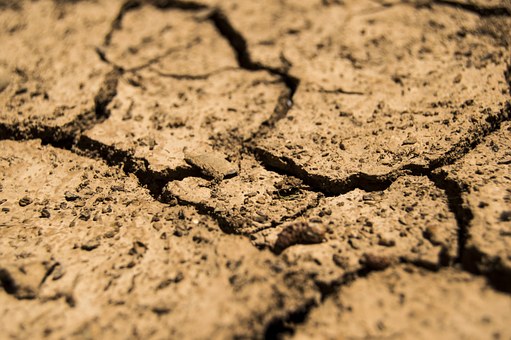

“An alert was issued that there is now a 70% chance of the El Nino weather system, which is centred over the tropical Pacific Ocean, occurring. This system, which last occurred in 2015, impacts weather patterns across the globe, and is known for causing longer periods of sustained heatwaves and severely reduced chances of rainfall in the Eastern Cape.”
This year saw large portions of the Eastern Cape declared disaster areas as a result of the drought, which has had debilitating effects on farmers, rural villagers and seasonal farm workers, Zibonda said.
“The DRAR 2017/18 Annual Report, tabled last month, shows how the province already experienced a devastating blow to food production due to the severe drought, with maize production 26,849 tons less than expected. Fodder crops were also negatively impacted. ”
An extended drought, combined with extreme summer temperatures, will also increase the risk of fires. These fires further impact on food production, as was the case in the Joe Gqabi district.
She said the Eastern Cape accounted for a third of all livestock in the country and produced more than 50 percent of the world’s mohair. “Many farmers have reported loss of livestock due to the drought and this will seriously impact on the long-term sustainability of these farms.
“The DA is concerned about the impact that an extended drought will have on farmers and subsequently, food security and employment in the province.
If farms are not producing, there is a decline in demand for seasonal farm workers, which will further aggravate the unemployment crisis in the province.”
She said there needed to be proactive measures taken in ensuring effective, long term strategies to allow for the sustainability of the province’s Agricultural sector.