

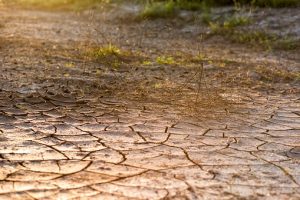
 THE low water levels in the Eastern Cape Water Supply System (ECWSS) have raised serious concerns for water security in the province for the next year or two, the Water Affairs and Sanitation Department indicated this week.
Major dams that supply the ECWSS have dropped their levels substantially in the past year by 9.2% and the reduction has continued at between 0.1% and 1% per week.
According to a report by the department on dam levels, the average combined levels for the ECWSS is 63.6%. This is a notable decline as compared to 72.8% the same time in 2016. In general, despite the Eastern Cape dams being at the lowest levels after many years, there is still adequate storage provided that consumers adhere to the water conservation request. The department is busy with a number of water projects as part of improving service delivery.
It is after this realisation that an attempt to provide greater comfort which can be in the form of additional and or alternative water sources of supply that must be on standby in the case of not receiving adequate rainfall be instituted.
Some additional and or alternative water sources could be:
- Recycling of water
- Drilling of boreholes where there is significant potential in ground water.
- Desalination
- Implementing water conservation and demand management programmes which include the War on Leaks and Drop the Block interventions
To further curb excessive water use, the government has put into effect water restrictions in certain parts of the province. The water restrictions will remain intact until the dams fill up to over 80% of their capacity.
South Africa has been rated among 30 driest countries in the world that run the risk of becoming a desert unless its citizens start saving water earnestly, the department warned this week.
“As part of its awareness campaign, the department has declared March as Water Month and we appeal to everyone to use water wisely and efficiently during this month and beyond.”


