

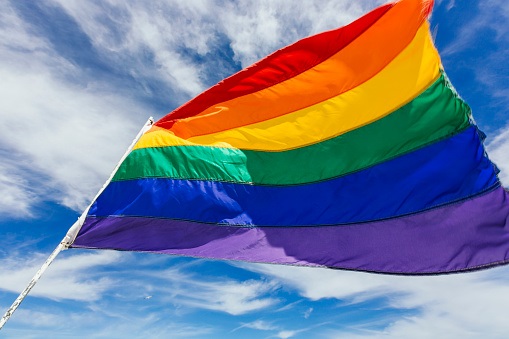
LGBT+ campaigners said the detainees were deliberately targeted. Gay sex is punishable by life imprisonment in the east African country and sexual minorities are often persecuted and arrested.
At least four members of the group were HIV-positive but Uganda’s coronavirus lockdown and a ban on prison visits made it impossible to meet the detainees or deliver medication to them, said Kimera.
Uganda Prisons Service said it was complying with a presidential directive banning prisoners from accessing anyone outside jail for 30 days from March 20.
“The rights can come when we save lives. We have to save our people – it’s not about law, it’s about life,” spokesman Frank Baine told the Thomson Reuters Foundation.
Uganda announced its first coronavirus case on March 21 and has 44 confirmed cases, but none have been detected in any of the country’s 259 prisons.
Human rights groups have warned authorities of the risk of the spread of the virus in prisons as witnessed in countries such as Iran, and called for the suspension of pre-trial detentions, such as the case involving the LGBT+ group.
“God forbid if an infection finds its way into the prison service in our country – it’s overcrowded, it has bad facilities,” said Nicholas Opiyo, executive director of Chapter Four, a Ugandan human rights group.
“I don’t think it helps the fight against the pandemic. It only makes it more difficult and puts the lives of those who are in prison already at risk.”
Baine said the risk was minimal as Kitalya prison near Kampala – where the LGBT+ group was being held – was “the most modern prison we have” with the capacity for 3,000 inmates and currently only holding 213 people. Prison staff and inmates were using handwashing facilities and sanitisers and their movement and contacts were limited to curb the spread of the virus, Baine added.
By


