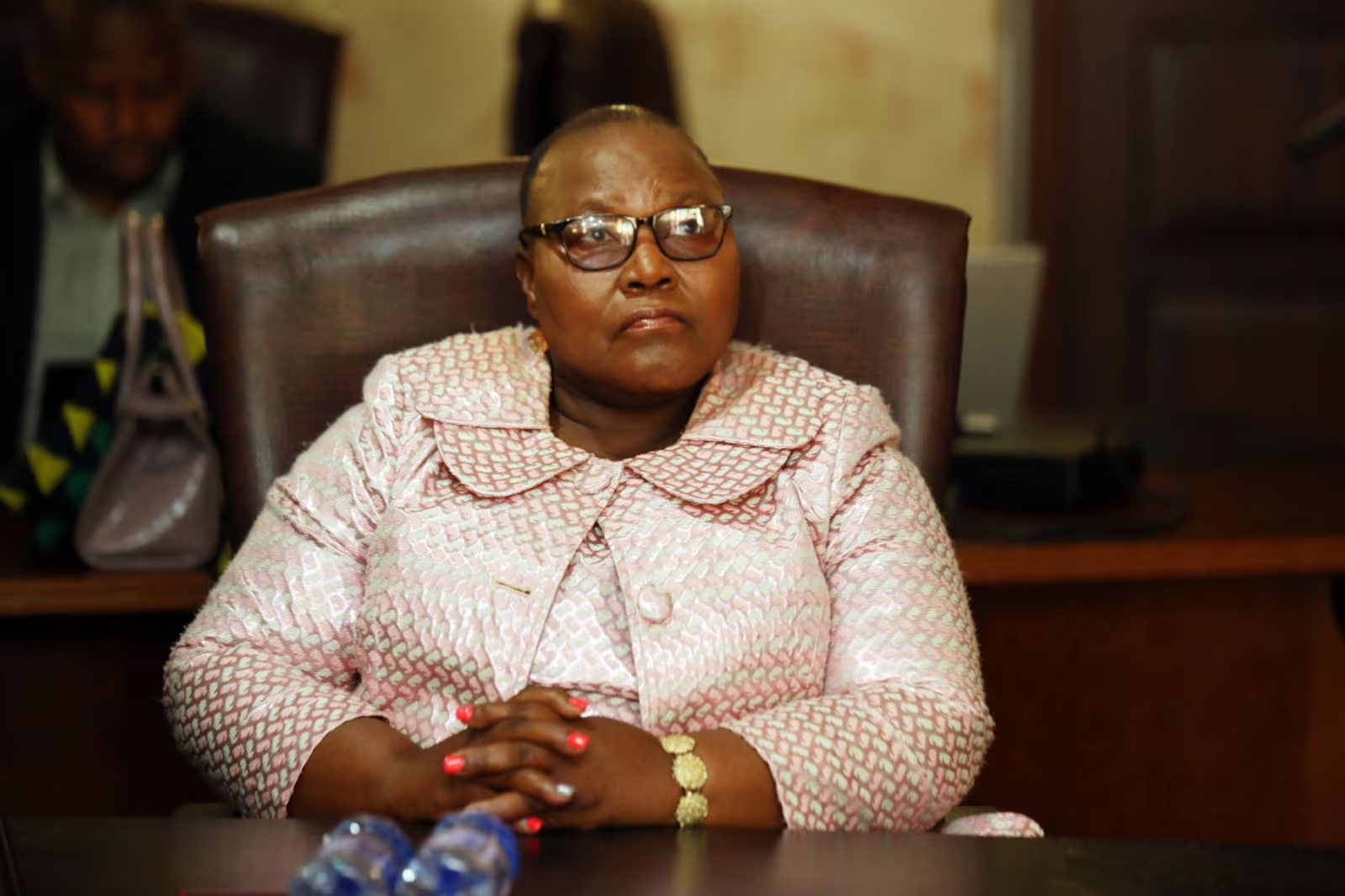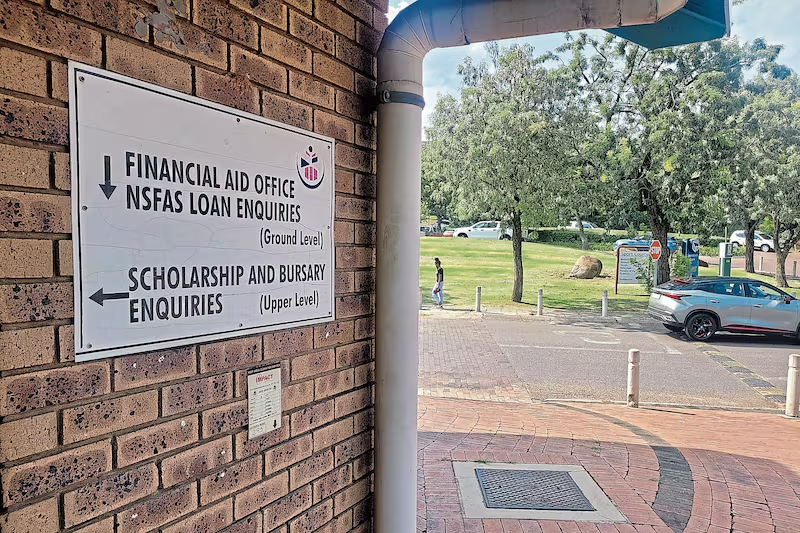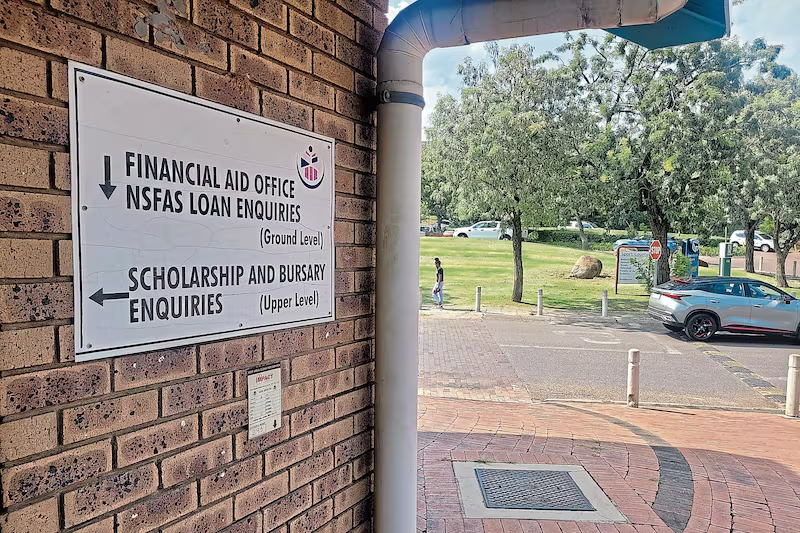
In a press conference on Tuesday, NSFAS board chairperson Dr Mugwena Maluleke said the scheme received a record of 893,847 applications by the December 31 deadline, highlighting the growing demand for financial support in high education.
“Of the applications received, 609,653 have been approved while about 218,000 remain incomplete due to outstanding documentation. A further 16,862 applications were cancelled and 49,538 rejected after a review process,” said Maluleke.
He praised NSFAS management for working under pressure to meet deadlines, noting that some officials worked throughout December to ensure applicants received funding outcomes by December 15 2025.
“Some members of management did not even go on leave in December because there was a troubleshooting team ensuring that applicants were able to receive their statuses on time,” he said.
NSFAS acting CEO Waseem Carrim said the scheme had received approximately 12,000 loan applications under the Missing Middle Loan Fund, with outcomes expected to be released imminently.
NSFAS does have sufficient funding to make the upfront payments to institutions for February and March, which effectively covers the start of the 2026 academic year
— Wassem Carrie, NSFAS acting CEO
“We received about 12,000 loan applications, and as indicated previously, we will be releasing the loan outcomes in the coming week,” Carrie said. “We will also issue a statement detailing the number of approved applications for the Missing Middle Loan Fund.”
Carrim said discussions with National Treasury regarding NSFAS’s 2026 budget were still under way, with final figures expected once the national budget is tabled.
“We are still engaged in the budget process with National Treasury. The budget will be published in the third week of February after the state of the nation address, and at that point we will be able to give a clearer indication of our final budget numbers for the 2026 academic year,” he said.
Despite the ongoing budget process, Carrim assured students and institutions the NSFAS has sufficient funding to meet immediate commitments.
“NSFAS does have sufficient funding to make the upfront payments to institutions for February and March, which effectively covers the start of the 2026 academic year,” he said.
Maluleke said the NSFAS has introduced transitional accommodation arrangements for the 2026 academic year to prevent a repeat of past disruptions when students were left stranded, frustrated and anxious.
“We have put transitional arrangements in place, particularly around accommodation, to avoid what has happened in the past,” he said.
Under the new framework, accommodation allowances for students in private housing will be paid directly to accredited accommodation providers, who must have valid agreements with student occupants. The NSFAS is also rolling out a centralised accommodation system designed to improve transparency, accountability and efficiency.
Maluleke said the upgraded accommodation portal will allow students to apply for accommodation, track their application status, accept offers and report maintenance issues.
“It will also be integrated with university systems to verify registration and NSFAS eligibility automatically.”
He said monthly occupancy and payment reports will be generated from the central platform to ensure prompt reconciliation and payment to providers.
By Nandi Ntini
Sowetan