

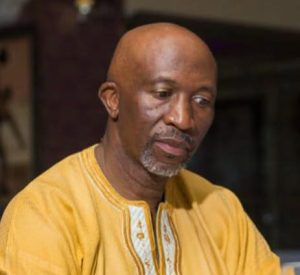
Sabelo Bantwini Jayiya
It is that time of the year where boys undergo the circumcision rite; a symbol of growth, a leap to responsibility and maturity.
This is a time marked by a mixture of excitement – and anxiety.
The excitement of having an additional man in the house, who in future will get married, have children, and continue with the family legacy.
He will be the hope of the family and the community one day. He will shoulder more responsibilities due to the newly-acquired status.
It is a time marked by anxiety, as well, because he will leave home for almost a month – or more – depending on different cultures and c i rc u m s t a n c e s .
He will remain there where the rite is undertaken with other initiates ( a b a k hw e t h a ) , or only with his traditional nurse (ikhankatha).
His well-being depends on the knowledge and a heart of ikhankatha. The skill and experience of ikhankatha, together with the co-operation of umkhwetha that determines when ibhuma (the initiate’s hut) will be burnt, and when he will be able to return home with the his transformation from being u m k hw e t h a to ikrwala (manhood).
As of June 2026, the Eastern Cape can record 43 graves belonging to a b a k hw e t h a , something that was unheard of in days gone by.
Then, just a single death would have shocked an entire community.
The death of umkhwetha was regarded as taboo and a profound spiritual abomination.
Such a death was construed as a catastrophic failure of the family and the entire community.
What is worrisome these days, is that boys die in numbers despite the millions spent to ensure their safe return from the bush – and we see no value derived from that kind of expense.
The slogan, Mabaye Bephila, Babuye Bephilile (may they go alive and healthy and return healthy) rings hollow. What is more is that the country has seemingly become numb to the fatalities; there is no accountability.
In the midst of all this, there is a new whirlwind by Amazibazana, mothers of the initiates, who in one television programme are referred to as mgidi mothers.
However, all they do is only add to the confusion and complications as it concerns this sacred rite of passage. They bring their culture whose roots we do not know. They bring in an element of wanton extravagance and many men kowtow to this stupidity.
In August I received a message from a friend in Cape Town, about their last-born who was due to attend initiation school this month.
He sent an AI generated invitation, detailing events leading up to umgidi (cultural celebration). By that time, the boy had not even started his trial examinations, let alone the final one.
The programme went as follows:
● In October, kuzakubhinqiswa izibazana. On investigation, this involves bringing presents, especially liquor.
● In November the son goes to the bush, and
● Umgidi will be on the 28th of December.
In the umgidi mom programme, amazibazana boast of spending thousands of rands on umgidi. One woman spent R348, 000 and the other an amount of R784, 000.
I was shocked to see Eastern Cape Development Agency sponsoring the programme.
The money is probably misdirected to spendthrift individuals.
When shall we create generational wealth, when financial institutions encourage instant gratification at the expense of a better future? These are people we expect to encourage and educate us on austerity measures and the benefits thereof.
OPINION by Sabelo Bantwini Jayiya


